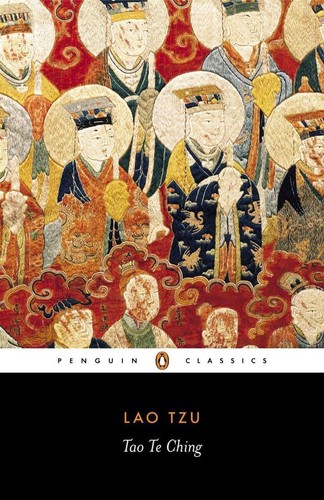
 | The Tao Te Ching teaches way-making without force — wu wei acts with the grain of situation; soft overcomes hard when timing aligns — complementarity beats heroic pushing. Laozi First published -600 - Reprint (1989) · Penguin Classics · ISBN 9780140441314 |
|---|
Key principles
- Tao way-making — Nameless source of order — forcing the way closes the way.
- Wu wei non-forcing — Effortless appropriate action — struggle signals misalignment, not virtue alone.
- Yin–yang complement — Opposites co-define — strength includes yielding room.
- Empty vessel leadership — Low profile holds space — filled ego leaks influence.
- Soft overcomes hard — Water metaphor — persistence beats frontal collision.
- Uncarved block simplicity — Reduce contrivance — excess ritual obscures the way.
Core science
The Tao Te Ching is classical Taoist wisdom literature — multiple translations and dating debates; Penguin edition is a common English gateway on Yin and Yang. Pair with Master of Opposites doctrine and I Ching for polarity maps.
Application
Reach for this volume when yin–yang or non-forcing action language needs Taoist spine — before interpreting complementarity as passive withdrawal. Open Yin and Yang on the Atlas shelf for the mechanism map.