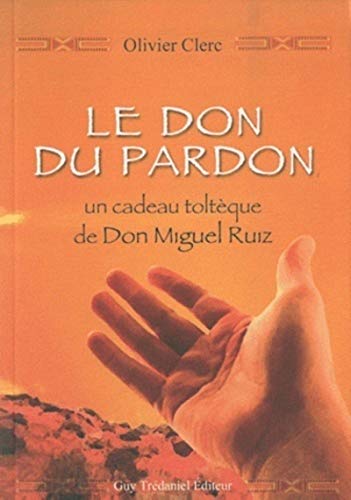
 | A facilitated circle, not a private vow. Clerc — Ruiz’s French translator and later apprentice — published the origin story as Le Don du Pardon (Trédaniel, 2010), then built the later room practice: people speak the harm, the story, and the self-sentence, then walk a structured forgiveness that does not require the other person to attend. The hard cell is self-forgiveness. Other pardons are usually that cell in costume. Clerc, O. First published 2010 - Edition (2010) · Guy Trédaniel · ISBN 9782813201683 |
|---|
Core science
Forgiveness research (Enright, Worthington, and later self-forgiveness work) treats letting-go as a process with measurable rumination and relationship effects — not as forgetting, and not as a moral wipe. Clerc’s circles are a practice architecture sitting next to that literature, not a replacement for it. The 2010 volume is the published origin; the Cercles as a held-room method date from 2012. Self-compassion (Neff) is an adjacent construct; it is not the same as a circle protocol.
Application
Reach for this volume when the work is I cannot forgive myself and talking about the other person is a derivative. Use it to name a practise-able form — not to collect another spiritual identity. Pair Use versus suffer when the question is the relation to the wound, not the story about the other person.