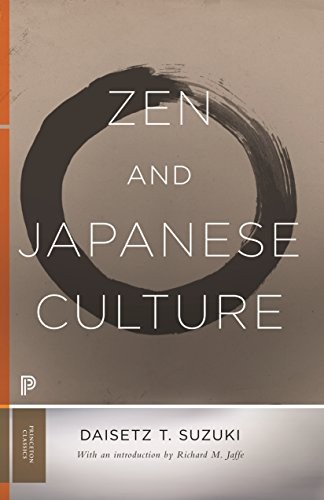
 | Suzuki introduces Zen not as doctrine trivia but as a discipline of direct experience — especially through Japanese arts where form, breath, and attention merge. Swordsmanship and tea ceremony become laboratories for non-grasping awareness and presence under pressure. Suzuki First published 1959 - Updated (2010) · Princeton University Press · ISBN 9780691144627 |
|---|
Key principles
- Zen as practice — Insight through disciplined doing — not only through scholastic argument.
- Mushin (no-mind) — Action without clinging — performance freed from self-conscious interference.
- Arts as spiritual technology — Archery, sword, tea — repeatable containers for attention training.
- Impermanence — Beauty and mastery include transience — clinging distorts the craft.
- East–West bridge — Suzuki translates for Western readers — filter romantic Orientalism on read.
- Being before strategizing — Presence precedes technique when the body leads — pair with somatic maps on Codex.
Core science
Cultural and religious studies classic — not a clinical manual. Use for historical placement of Zen-influenced practice language on Codex (wabi-sabi · being-before-doing notes on the Atlas shelf). Modern mindfulness research is a separate literature — honour Suzuki for lineage, not as RCT proof.
Application
Reach when a member borrows Zen words without practice containers — or when wabi-sabi and presence work need primary sources. Open Wabi-sabi on the Atlas shelf for the aesthetic mechanism map.