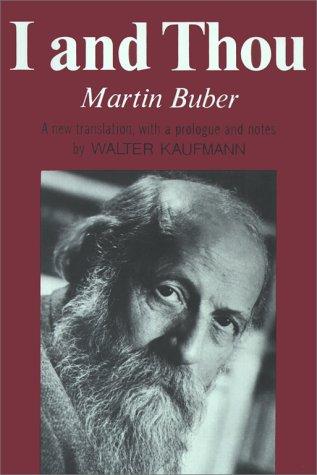
 | Buber contrasts I–Thou meeting — whole presence to a thou — with I–It using, where the other becomes instrument. Relation is event, not technique; dialogue requires mutual address, not analysis from a safe distance. Martin Buber First published 1923 - Reprint (1970) · Scribner · ISBN 9780684717258 |
|---|
Key principles
- I–Thou relation — Mutual presence — the other is addressed as whole, not extracted utility.
- I–It mode — Objectification for use — necessary for tasks, corrosive as default stance toward persons.
- Dialogical event — Relation happens between — not private feeling alone or technique performed on someone.
- Meeting versus experience — Thou cannot be possessed — intimacy is renewed encounter, not accumulated data.
- Eternal Thou horizon — Ultimate address grounds finite meetings — secular readers may translate as depth limit.
- Presence discipline — Quality of attention defines relation — multitasked listening stays I–It.
Core science
I and Thou (1923) is foundational dialogical philosophy — influential in existential therapy, pastoral care, and relational ethics on Levels of relational presence. Not empirical psychology; pair with attachment and EFT work when distinguishing meeting from soothing choreography.
Application
Reach for this volume when relational work feels transactional — or when coaching presence needs I–Thou language beyond technique stacks. Open Levels of relational presence on the Atlas shelf for the mechanism map.