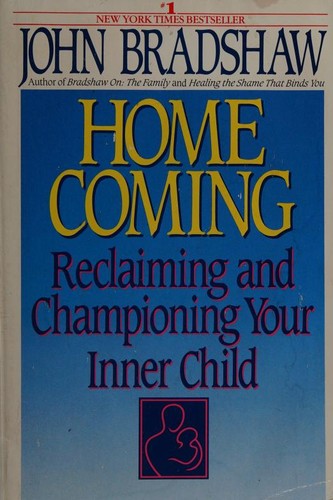
 | Bradshaw names the wounded inner child — childhood survival adaptations that still run adult life until grief and reparenting work release them. John Bradshaw (1990) · Bantam · ISBN 9780553353891 |
|---|
Key principles
- Wounded inner child — Early adaptation frozen in adult reactivity — abandonment and shame scripts still drive choices.
- Toxic shame — Identity felt as defective — distinct from healthy guilt about specific behaviour.
- Reparenting dialogue — Adult Self nurtures exiled child states — symbolic repair, not regression to dependency.
- Family-of-origin map — Inherited roles and rules — visibility precedes choosing a different stance.
- Grief as release — Mourning unmet childhood needs — tears unfreeze survival strategies that once protected.
- Championing the child — Advocacy for spontaneity and play — counter false-self compliance in adult life.
Core science
Homecoming (1990) is popular recovery psychology — draws on family systems and inner-child movements; limited RCT evidence but widespread clinical and workshop influence. Use as accessible clinical language for Inner child — pair with IFS when parts architecture needs precision beyond a single child metaphor.
Application
Reach for this volume when inner-child wounds or family-of-origin shame drive over-adaptation — Open Inner child on the Atlas shelf.