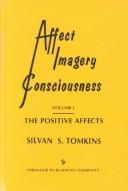
 | Affect as the primary motivator — Tomkins argues a handful of discrete, innate affects (interest, joy, fear, shame…) are the real amplifiers behind drives — the architecture later emotion and shame theories build on. Tomkins First published 1962 - Reprint (2008) · Springer · ISBN 9780826144047 |
|---|
Key principles
- Affect primacy — discrete innate affects, not drives, are the primary motivators; a drive only compels once an affect amplifies it.
- Nine innate affects — two positive (interest, enjoyment), one neutral (surprise), six negative (distress, anger, fear, shame, disgust, dissmell).
- Analogue amplification — each affect amplifies its own trigger, lending biological urgency to whatever set it off.
- Script theory — repeated affect-laden scenes compress into scripts that pre-program later response.
- Shame dynamics — shame as the interruption of positive affect — the seed of later shame-and-pride work.
- Affect density — a good life maximises positive affect, minimises negative, and grows the power to express and master both.
Core science
Reframes motivation around innate affect programs triggered by gradients of neural firing (stimulation increase, level, decrease), with the face as a primary display and feedback site. Across four volumes the argument moves from the biology of affect to the cognitive architecture of scripts that organise a life.
Application
The source architecture for treating discrete affects as the motivational layer beneath behaviour. Open it for the original case that affect, not drive, leads. Affect theory architecture