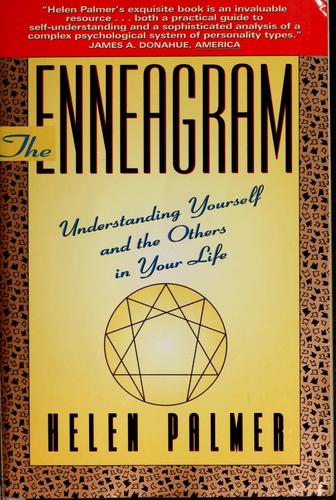
 | Palmer’s psychological Enneagram maps nine attention habits — each type organizes perception, motivation, and stress move — useful as pattern map, not identity verdict or hiring filter. Palmer First published 1988 - Reprint (1991) · HarperCollins · ISBN 9780062506832 |
|---|
Key principles
- Attention habit map — Type as lens, not essence — what you notice first steers behaviour.
- Core motivation layer — Hidden want drives virtue and vice displays — ask motive before label.
- Stress direction shift — Under load, type moves along arrow — predictable distortion, not new character.
- Security direction resource — Growth path along integration arrow — practice, not fantasy type-change.
- Triad grouping logic — Gut, heart, head centres — somatic, relational, or mental default alarm.
- Interview-based typing — Narrative over quiz — self-report alone mis-types without dialogue.
Core science
Palmer popularized narrative Enneagram in the West — folk and clinical-adjacent, weak uniform RCT spine compared with attachment or CBT lines. On the Codex shelf use with Enneagram as attention cartography, not deterministic typology.
Application
Reach for this volume when Enneagram patterns are used as attention maps, not identity verdicts — before typing yourself or others from a single behaviour. Open Enneagram on the Atlas shelf for the mechanism map.