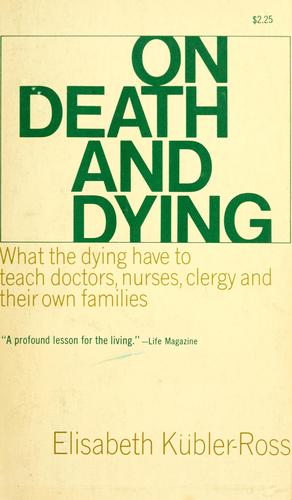
 | Dying is not only a medical event but a psychological process — Kübler-Ross names stages people move through (denial, anger, bargaining, depression, acceptance) as patterns to recognise, not a rigid ladder. The volume opened Western clinical conversation on how the dying person is heard. Elisabeth Kübler-Ross First published 1969 - Reprint (1997) · Scribner · ISBN 9780684842233 |
|---|
Key principles
- Psychological dying — Dying is a psychological process, not only a medical event — inner work parallels bodily decline.
- Stage patterns — Kübler-Ross names denial, anger, bargaining, depression, and acceptance as recognizable patterns, not a rigid ladder everyone climbs in order.
- Being heard — The dying person needs witness and honest conversation — silence and false cheer compound isolation.
- Caregiver role — Those accompanying death have their own grief arc — support flows both directions.
- Clinical opening — The volume shifted Western medicine toward palliative listening — legacy is cultural as much as clinical.
- Mortality contrast — Useful for mortality, renounce, and micro-death work — mechanism lives in Atlas; this is the long-form cite.
Core science
Kübler-Ross documents stages of dying and grief — a clinical frame for how people metabolize terminal news and loss. Pair with Art of Dying when the mechanism map helps.