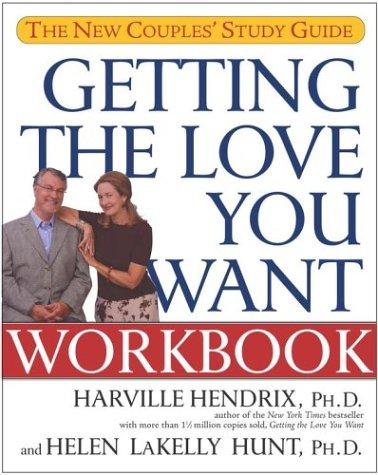
 | You unconsciously choose a partner who reopens childhood wounds so the bond can heal what was missed — if you run structured dialogue instead of the old war. Imago treats the couple as a healing field, not two fixed personalities negotiating concessions. Harville Hendrix & Helen LaKelly Hunt First published 1988 - Updated (2019) · St. Martin’s Griffin · ISBN 9781250237013 |
|---|
Key principles
- Imago match — Partner choice echoes unfinished childhood needs — attraction is often repair-seeking, not random chemistry.
- Wound and gift — What frustrates you in your partner often mirrors your own disowned part — the fight is information.
- Intentional dialogue — Mirroring, validation, and empathy before problem-solving — sequence prevents escalation.
- Safety first — Dialogue structure creates enough safety for vulnerability — content fights without container repeat the wound.
- Conscious relationship — Move from unconscious reactivity to chosen repair — the relationship is practice, not fate.
- Field not blame — Conflict belongs to the bond’s pattern — pair with systemic frames when assigning fault.
Core science
Imago Relationship Therapy — integrative couple model on Attachment and bonding lineage (folk · disputed row); draws on attachment, object relations, and behavioral exchange. Clinical program with structured exercises; evidence base is practice-led with outcome studies in couple therapy literature.
Application
Use when the same pursue-withdraw or criticism-defensiveness loop returns — run dialogue protocol before negotiating logistics or parenting content. Open Third Psyche on the Atlas shelf for the mechanism map.